Ice fishing is a specialized angling discipline that demands thoughtful preparation and the right combination of equipment. Unlike open-water fishing, where a simple rod and reel often suffice, ice fishing requires gear adapted to freezing temperatures, limited mobility, and the unique behavior of fish beneath the ice. Understanding the core categories of tackle—rods, reels, lines, lures, and safety accessories—can help anglers make informed decisions before heading onto a frozen lake or reservoir.
This article outlines the essential items commonly discussed among ice fishing practitioners. It focuses on the functional roles of each piece of gear and how they contribute to a systematic approach on the ice. The information is intended for educational purposes and does not replace professional guidance or local regulations. Conditions vary widely, and individual results depend on many external factors, including weather, water body characteristics, and fish activity.
By examining the equipment categories in a structured way, anglers can build a versatile kit that aligns with their preferred techniques and target species. The following sections cover rods and reels, terminal tackle and lures, safety and accessory items, and a concluding perspective on assembling a complete setup.
Ice Fishing Rods and Reels
Ice fishing rods are generally shorter and more sensitive than their open-water counterparts. A typical rod length ranges from 24 to 48 inches, allowing for precise jigging motions in a confined space. The blank material—often graphite, fiberglass, or a composite—affects sensitivity and durability. Graphite rods tend to offer better bite detection, while fiberglass rods are more forgiving and less prone to breakage in extreme cold. The reel seat and handle should be designed for gloved use, as bare hands are impractical in freezing conditions.
Reels for ice fishing are usually small spinning or inline models. Inline reels have gained popularity because they reduce line twist and allow for a direct drop into the hole. Spinning reels are also common, particularly for anglers who prefer a familiar feel. The drag system should function smoothly even when temperatures drop below freezing. A reliable drag helps prevent line breakage when a larger fish makes a sudden run. Some anglers carry multiple rod-and-reel combos, each set up for a different presentation or species, to avoid retying in the cold.
Line selection is another critical component. Monofilament, fluorocarbon, and braided lines each have trade-offs. Monofilament offers stretch and is forgiving, but it can absorb water and weaken over time. Fluorocarbon is more abrasion-resistant and nearly invisible underwater, though it is stiffer in cold conditions. Braided line has low stretch and high sensitivity, but it can freeze if not treated. Many ice anglers use a backing of braided line with a fluorocarbon leader to balance these characteristics.
Terminal Tackle and Lures
Terminal tackle for ice fishing includes jigs, spoons, hooks, sinkers, and various attractors. Jigs are among the most versatile lures; they can be tipped with live bait, soft plastics, or scented materials. The weight of a jig determines how quickly it sinks and how it responds to jigging strokes. Lighter jigs are suitable for shallow water and finicky fish, while heavier jigs help penetrate deeper water or current. Color choices often depend on water clarity and light conditions, with natural hues performing well in clear water and brighter colors in stained or low-light environments.
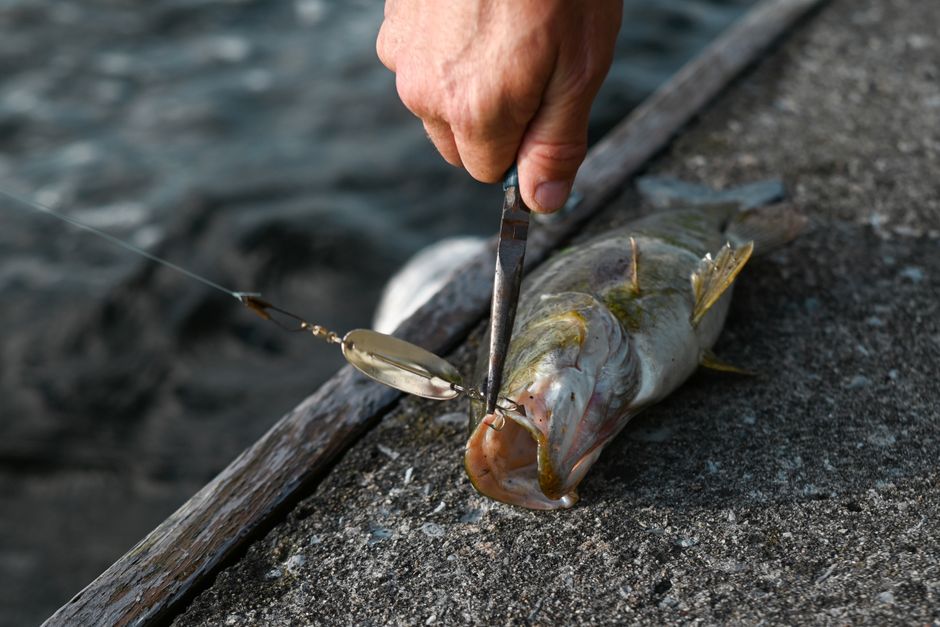
Spoons and blade baits are effective for attracting predatory fish such as perch, walleye, and northern pike. These lures flutter and flash when jigged, mimicking injured baitfish. Some spoons are designed with a rattle or a treble hook, adding sound and hooking potential. When using spoons, anglers often employ a lift-and-drop cadence, allowing the lure to fall on a semi-slack line. The strike frequently occurs as the lure descends, so maintaining contact with the line is important.
Hooks and sinkers round out the terminal tackle category. Small, sharp hooks are essential for panfish and trout, while larger hooks are used for bigger species. Split shot or sliding sinkers can be added to adjust presentation depth and action. A selection of split shot in various sizes allows for quick adjustments without retying. Additionally, a few specialized items—such as glow-in-the-dark jigs, small spoons, and soft plastic tails—can expand the range of techniques. Many anglers organize these items in a small tackle box or binder that fits into a coat pocket for easy access.
Safety and Accessory Gear
Safety equipment is arguably the most important category of ice fishing tackle. No fish is worth risking personal well-being, so items such as ice picks, a throw rope, and a personal flotation device (PFD) should be considered essential. Ice picks are worn around the neck and used to grip the ice if a person breaks through. A throw rope can be tossed to someone in need, and a PFD provides buoyancy and insulation. A spud bar or chisel is used to test ice thickness before venturing onto a frozen body of water. These tools help anglers assess conditions, but they do not guarantee safety; ice conditions are always variable.
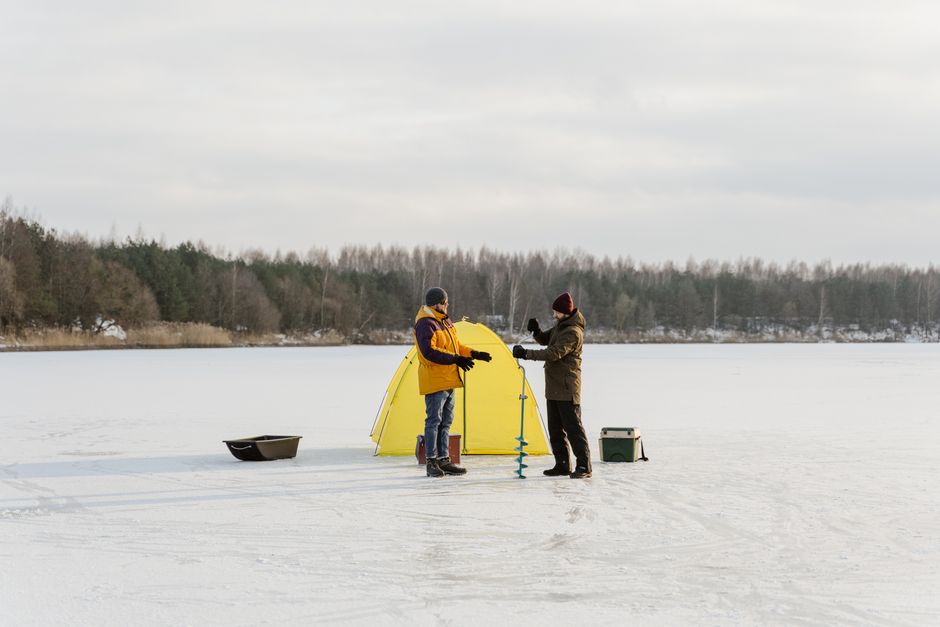
Other accessories enhance comfort and efficiency. An ice auger is necessary to drill holes, and manual or power augers are available. A skimmer or scoop removes slush from the hole, keeping the fishing area clear. A sled or shelter provides a base for gear and can protect against wind. Many anglers use a portable shelter with a heater to extend fishing time in harsh conditions. Seating, such as a bucket or folding chair, is also common. Electronics, including sonar units and underwater cameras, can help locate fish and structure, but they are not mandatory for a basic setup.
Clothing and footwear deserve mention as accessory gear. Insulated, waterproof boots with good traction are vital for walking on ice. Layered clothing allows for temperature regulation, and gloves or mittens with removable fingertips enable knot tying and bait handling. A headlamp or flashlight is useful for early morning or late evening trips. Finally, a small first-aid kit and a fully charged phone or communication device are recommended in case of emergencies. These items support a safer and more organized experience on the ice.
Putting Together a Complete Ice Fishing Kit
Assembling an ice fishing kit involves balancing versatility, portability, and personal preference. A basic kit might include two rod-and-reel combos, a small selection of jigs and spoons, a few hooks and sinkers, an ice auger, a skimmer, safety gear, and a shelter. Anglers who target multiple species may carry additional rods and a wider range of lures. The key is to avoid unnecessary bulk while ensuring that essential functions are covered. Many anglers organize gear in a sled or a backpack, keeping frequently used items within easy reach.
It is also helpful to review local regulations regarding allowable gear and catch limits. Some water bodies have specific rules about the number of lines or the use of certain lures. Checking these rules before heading out is part of responsible angling. Additionally, weather forecasts and ice reports should be consulted; conditions can change rapidly, and a planned trip may need to be adjusted or cancelled. The equipment discussed here is intended to support a methodical approach, but no gear list can replace sound judgment and experience.
In summary, essential tackle for ice fishing spans rods, reels, lines, terminal tackle, lures, safety equipment, and accessories. Each category plays a role in a systematic approach to the sport. By understanding the function of each item and how it contributes to the overall experience, anglers can make informed choices that align with their goals and local conditions. As with any outdoor activity, preparation and adaptability are key, and the information provided here serves as a general guide rather than a definitive prescription.