Mastering Fly Fishing Techniques for Trout
Fly fishing for trout in mountain rivers requires a blend of technical skill, ecological awareness, and strategic thinking. Unlike other fishing methods, fly fishing emphasizes the imitation of aquatic and terrestrial insects to entice trout into feeding. This approach demands an understanding of trout behavior, the ability to read water, and proficiency in casting techniques that present flies naturally.
In this guide, we outline a step-by-step framework for fly fishing in mountain streams. We cover the essential elements: selecting appropriate flies based on seasonal hatches, executing fundamental and advanced casts, and adopting tactical approaches tailored to the unique currents and structures of mountain rivers. The focus is on process and adaptability, as conditions can vary widely from one stretch of water to another.
Whether you are new to the sport or seeking to refine your existing skills, the information here is intended to provide a structured overview. Success in fly fishing is often contingent on multiple factors, including weather, water temperature, and trout pressure. Therefore, the techniques described should be viewed as guidelines to be adjusted according to real-time observations.
Understanding Trout Behavior and Habitat in Mountain Rivers
Trout in mountain rivers are highly attuned to their environment. They occupy specific lies—locations where they can conserve energy while maintaining access to food. These lies are typically found near current seams, behind boulders, undercut banks, and in deeper pools. Recognizing these holding areas is the first step in planning an effective presentation.
Water temperature significantly influences trout activity. In many mountain streams, trout feed most actively when water temperatures range between 50°F and 65°F. Outside this range, their metabolism slows, and they may become less responsive to offerings. Additionally, dissolved oxygen levels, which are generally higher in turbulent, cold water, affect where trout choose to position themselves.
Trout are also selective feeders. They may key in on a specific insect stage or size during a hatch, ignoring other potential food sources. This selectivity means that matching the hatch—or at least coming close—can be crucial. However, in faster water, trout have less time to inspect a fly, so exact imitation may be less critical than a natural drift and proper presentation.
Understanding these behavioral patterns helps anglers decide where to cast, which flies to use, and how to retrieve them. The goal is to present the fly in a way that appears natural and vulnerable, triggering a feeding response. This requires careful observation and a willingness to adapt tactics as conditions change.
Selecting Flies: Matching the Hatch and Beyond
Fly selection is a cornerstone of successful trout fishing. Flies fall into several categories: dry flies, nymphs, wet flies, and streamers. Each imitates different stages of aquatic insects or other prey. The choice depends on the time of year, the specific river, and the current activity of trout.
Dry flies are designed to float on the surface, imitating adult mayflies, caddisflies, or stoneflies. They are most effective during a hatch when trout are rising to take insects from the surface film. Common patterns include the Elk Hair Caddis, Adams, and Blue-Winged Olive. Sizing is critical; a fly that is too large or too small may be rejected. Observing natural insects on the water or in the air can guide size and color selection.
Nymphs imitate the underwater larval and pupal stages of insects. Because trout feed predominantly subsurface, nymphs are often the most productive flies. Patterns such as the Pheasant Tail, Hare’s Ear, and Copper John are staples. Nymph fishing often requires added weight to get the fly down to the trout’s level, and strike detection can be subtle. Using a strike indicator can help visualise the take.
Wet flies and streamers represent a broader range of prey, including emerging insects, baitfish, and leeches. Streamers are particularly useful in high, off-colored water or when targeting larger, predatory trout. They are fished with an active retrieve, mimicking a fleeing baitfish. Patterns like the Woolly Bugger and Muddler Minnow are versatile and effective.
Beyond matching the hatch, anglers should carry a variety of flies in different sizes and colors. A good rule is to have a selection that covers the major insect groups and can be adjusted based on observations. Local fly shops can provide invaluable advice on what is working in a specific area.
Essential Casting Techniques for Mountain Streams
Casting in mountain rivers presents unique challenges: overhanging vegetation, tight casting lanes, and variable currents. The standard overhead cast is a foundational skill, but it is not always practical in these environments. Anglers often rely on roll casts, reach casts, and other presentations to achieve a drag-free drift.
The roll cast is particularly useful when there is no room for a backcast. It allows the angler to propel the line forward using a looping motion. This cast is ideal for fishing pocket water and areas where a standard cast would snag on trees or bushes. Mastering the roll cast can significantly expand the water an angler can effectively fish.
The reach cast is another essential tool. It involves extending the rod upstream or downstream during the forward cast to create a mend in the line before the fly lands. This reduces drag and allows the fly to drift naturally. Similarly, the curve cast can be used to place the fly around obstacles or to present it in a specific current lane.
Accuracy and line control are paramount. In mountain streams, the difference between a successful drift and a missed opportunity can be a matter of inches. Practicing casting on the water—or even on a lawn—can improve muscle memory. It is also important to adjust casting techniques to wind conditions and the weight of the fly.
Finally, the presentation is not just about the cast; it also involves mending and line management. After the cast, mending the line upstream or downstream helps maintain a natural drift. This requires constant attention and adjustment as the fly moves through different current speeds.
Reading Water and Tactical Approaches in Mountain Rivers
Reading water is the art of identifying where trout are likely to hold and feed. In mountain rivers, the current creates distinct features: riffles, runs, pools, and pocket water. Each of these areas requires a specific tactical approach. Riffles are shallow, turbulent sections where oxygen levels are high; trout may hold in the softer water behind rocks or in the seams.
Runs are deeper, faster sections with a smooth surface. Trout often position themselves at the head of a run or along its edges, where they can intercept drifting food. Pools are deeper, slower sections, often at the bottom of a run or below a waterfall. They provide refuge and are particularly productive during low water or when trout are spooked.
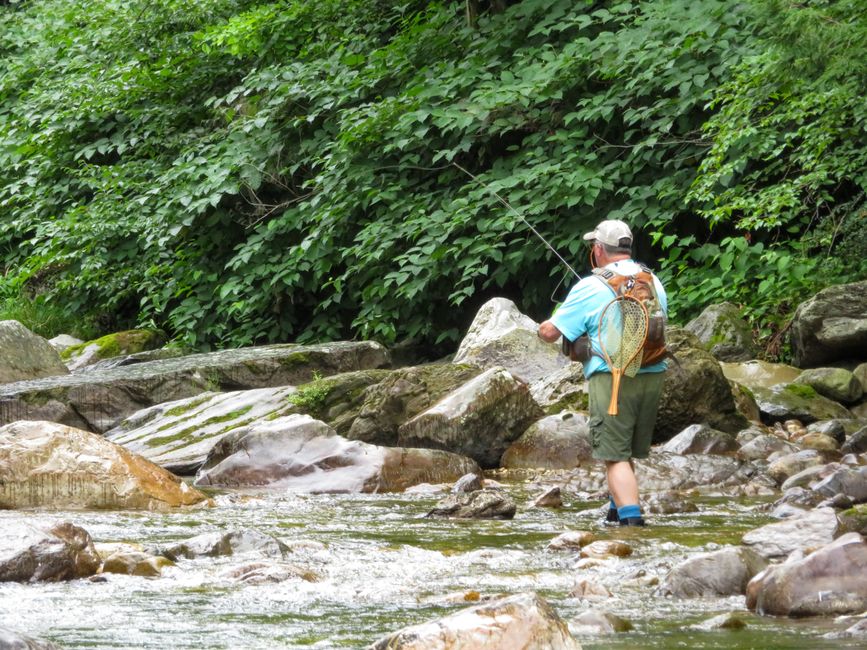
Pocket water consists of small, isolated pockets of slower water behind boulders or other obstructions. These areas can hold surprisingly large trout, as they offer shelter and a steady supply of food. Fishing pocket water requires precise casts and a stealthy approach, as trout can be easily spooked in such confined spaces.
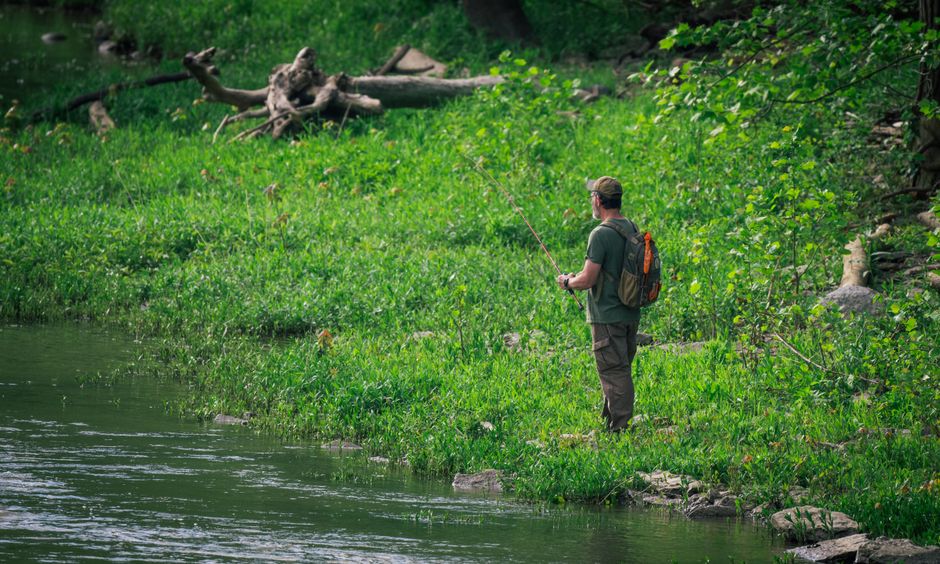
When approaching a new stretch of water, start by observing from a distance. Look for rising fish, current seams, and likely holding lies. Plan your approach to avoid spooking trout; in clear mountain streams, trout can detect movement from a considerable distance. Fishing upstream is generally preferred, as it allows you to approach from behind and present the fly before the trout sees you.
Tactics should be adjusted based on water clarity, light conditions, and trout activity. In bright sunlight, trout may be more cautious and hold in deeper or shaded areas. In low light, they may move into shallower water to feed. Using a longer leader and finer tippet can help in clear water, while heavier tippet may be necessary in stained water or when targeting larger fish.
Adapting to Conditions and Ethical Considerations
Mountain rivers are dynamic environments, and conditions can change rapidly. Weather, water flow, and insect activity all influence trout behavior. Successful anglers are those who can adapt their techniques to these variables. For example, after a rainstorm, water may rise and become turbid, requiring larger, more visible flies and a different presentation.
Ethical considerations are also important. Catch-and-release practices help sustain trout populations, especially in heavily pressured waters. Using barbless hooks, wetting hands before handling fish, and minimizing air exposure all contribute to the health of released trout. Anglers should also be aware of local regulations, including seasons, bag limits, and tackle restrictions.
Conservation-minded fishing ensures that mountain river ecosystems remain healthy for future generations. By respecting the resource and practicing good stewardship, anglers can continue to enjoy the sport. It is also a good practice to leave no trace, packing out all trash and avoiding damage to riparian vegetation.
In summary, mastering fly fishing for trout in mountain rivers involves a continuous learning process. The interplay of fly selection, casting, water reading, and adaptation to conditions creates a complex but rewarding pursuit. While no single approach guarantees success, a systematic and observant mindset can improve the experience and increase the likelihood of encountering trout.