Best River Fishing Spots in the Pacific Northwest
The Pacific Northwest, encompassing Oregon and Washington, is renowned for its diverse river systems that support a variety of fish species. These rivers, fed by mountain snowpack and coastal rains, create dynamic habitats for salmon, steelhead, trout, and other game fish. Anglers are drawn to the region not only for the fishing opportunities but also for the stunning landscapes that surround these waterways.
This guide provides an overview of some of the best river fishing spots in the Pacific Northwest, focusing on access points, target species, and the seasons when fishing is typically most productive. It is important to note that fishing regulations vary by location and change annually, so always consult the latest state regulations before planning a trip.
Whether you are a seasoned angler or new to the area, understanding the unique characteristics of each river can enhance your experience. The information presented here is intended to offer a starting point for your explorations, emphasizing the importance of ethical and sustainable fishing practices.
Understanding Pacific Northwest Rivers
The rivers of Oregon and Washington are shaped by the region’s geography and climate, resulting in distinct characteristics that influence fish populations. Coastal rivers tend to be shorter and faster, with flows that respond quickly to rainfall, while interior rivers are often larger and fed by snowmelt, leading to more stable flows during summer. These differences affect when and where fish migrate, as well as the techniques anglers might use.
Many of these rivers are home to anadromous fish, which are born in freshwater, migrate to the ocean, and return to spawn. This includes several species of salmon and steelhead. Resident fish, such as rainbow trout and cutthroat trout, live their entire lives in freshwater and are also popular targets. The presence of these species varies by river and season, so anglers should be aware of the specific runs and regulations in place.
Access to these rivers ranges from easily accessible public parks to remote stretches requiring hiking or boat access. Some rivers are bordered by private land, so respecting property rights and using designated access points is crucial. The following sections highlight a selection of rivers that offer notable fishing opportunities, each with its own unique character and challenges.
Columbia River
The Columbia River is the largest river in the Pacific Northwest, forming much of the border between Oregon and Washington. It supports robust runs of Chinook and coho salmon, as well as steelhead and sturgeon. The river’s size means that fishing can be done from the bank, from boats, or even from piers in urban areas. Popular access points include the mouth of the Sandy River, the Deschutes River confluence, and areas near Bonneville Dam.
Fishing seasons on the Columbia are carefully managed to protect wild fish populations, with specific openings for hatchery fish. Spring Chinook fishing typically peaks from March to May, while fall Chinook and coho are targeted from August to October. Sturgeon fishing is catch-and-release in many areas, with specific seasons for retention. Anglers should check current regulations as seasons can change based on run sizes.
Because of its size and currents, the Columbia can be challenging, especially for beginners. Hiring a guide or joining a charter can be a good way to learn the river. It is also important to be prepared for changing weather conditions, as the Columbia Gorge can experience strong winds. Despite these challenges, the Columbia offers some of the most consistent fishing opportunities in the region.
Willamette River
The Willamette River flows north through the Willamette Valley in Oregon, passing through cities like Eugene, Salem, and Portland. It is a popular fishery for spring Chinook, coho, and steelhead, as well as resident bass and trout. The river is accessible from numerous parks and boat ramps, making it a convenient option for anglers living in urban areas. The Willamette is also known for its winter steelhead fishery, which can be productive from December through March.
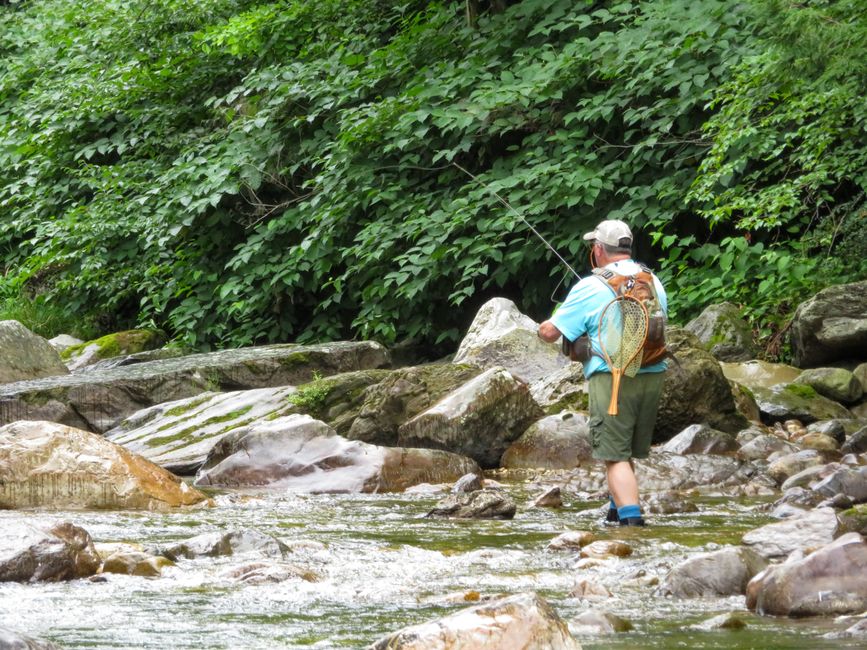
One of the key features of the Willamette is its series of locks and dams that create slower-moving sections, which can be easier to fish from a boat. The McKenzie River, a major tributary, is famous for its native rainbow trout and is a popular destination for fly fishing. The McKenzie offers both drift boat and wade fishing opportunities, with the best trout fishing typically from May to October.
Water quality and temperature can affect fish behavior, so early morning or evening trips are often more successful during hot summer months. The Willamette can also experience algal blooms in late summer, which may impact fishing. Anglers should stay informed about any health advisories. Overall, the Willamette system provides a diverse range of fishing experiences close to major population centers.
Deschutes River
The Deschutes River is a major tributary of the Columbia, flowing through central Oregon. It is renowned for its wild rainbow trout and steelhead fishing, as well as salmon and bass. The lower Deschutes, from the mouth up to Sherars Falls, is particularly famous for its summer steelhead run, which typically peaks from July to October. This section is also popular for rafting and camping, offering a multi-day fishing adventure.
Access to the Deschutes is primarily via boat or by hiking into the canyon. The Lower Deschutes has several boat ramps, including at Heritage Landing and Mack’s Canyon. Wade fishing is possible in some areas, but the canyon’s steep banks can make access difficult. The Warm Springs Reservation section requires a tribal permit, which can be purchased online. Anglers should be aware of the different regulations that apply on tribal lands.
Trout fishing on the Deschutes is best in the spring and fall when water temperatures are cooler. The river is also known for its stonefly hatch in late spring, which can trigger aggressive feeding. However, the Deschutes can be crowded, especially during peak seasons, so planning ahead and being courteous to other anglers is important. The scenic beauty of the canyon adds to the overall experience.
Snake River
The Snake River is a major tributary of the Columbia, flowing through Washington, Oregon, and Idaho. In the Pacific Northwest, the stretch between Clarkston, Washington, and the Oregon border offers excellent fishing for smallmouth bass, sturgeon, and salmon. The river’s deep pools and rocky shorelines provide diverse habitats. Access is available at several boat ramps and parks, including Chief Timothy Park and Swallows Park.
Smallmouth bass fishing on the Snake is best from late spring through early fall, with fish averaging 1-3 pounds and occasionally larger. Sturgeon fishing is also popular, with catch-and-release opportunities throughout the year. Salmon runs, including fall Chinook, attract anglers in September and October. The Snake River can have strong currents, so boaters should be experienced or hire a guide.
Because the Snake River forms part of the border between states, anglers must have the appropriate licenses for both Washington and Oregon if fishing across state lines. Regulations may differ, so it’s essential to check the specific rules for the area you plan to fish. The Snake River offers a mix of warmwater and coldwater species, making it a versatile destination.
Rogue River
The Rogue River in southwestern Oregon is famous for its salmon and steelhead runs, as well as its scenic canyon. The river supports Chinook salmon, coho salmon, and steelhead, with fishing seasons throughout the year. The fall Chinook run is particularly notable, with fish entering the river from August through October. The Rogue is also popular for its spring Chinook and winter steelhead, providing year-round opportunities.
Access to the Rogue is available at numerous points along its length, including Gold Beach, Agness, and Grants Pass. The lower Rogue is often fished from boats, while the upper sections offer wade fishing and bank access. The Rogue River Trail provides hiking access to remote stretches. Like other Oregon rivers, the Rogue has specific regulations for wild and hatchery fish, so anglers should review the current Oregon fishing regulations.
The Rogue River is also known for its jet boat tours, which can provide access to otherwise difficult-to-reach fishing spots. However, anglers should be mindful of boat traffic and follow safety guidelines. The river’s diverse fish populations and beautiful surroundings make it a top choice for many anglers in the region.
In summary, the Pacific Northwest offers a wealth of river fishing opportunities, each with its own unique characteristics and challenges. By understanding the access points, target species, and seasonal timing, anglers can plan successful and enjoyable trips. Always prioritize conservation and follow local regulations to ensure these fisheries remain healthy for future generations.