Seasonal Walleye Fishing: Spring and Fall Tactics
Introduction
Walleye fishing is often described as a pursuit of timing and location, with seasonal transitions playing a central role in how these fish distribute themselves across a water body. In many North American fisheries, spring and fall represent two distinct periods when walleye behavior shifts in response to changing water temperatures, spawning cycles, and prey availability. Understanding these seasonal patterns can help anglers make more informed decisions about where to fish, what presentations to use, and how to adjust as conditions evolve.
Spring and fall are not simply mirror images of each other, even though both seasons involve moderate water temperatures and increased walleye activity. Spring is typically associated with post-spawn recovery and a gradual movement toward summer feeding areas, while fall is characterized by cooling water, baitfish migrations, and a tendency for walleye to feed more aggressively before winter. These differences influence depth selection, lure choice, and the overall approach to locating fish.
This article compares spring and fall tactics for walleye, focusing on how water temperature can guide decisions about depth and presentation. It is intended as a general informational resource, and actual results can vary based on lake or river-specific conditions, weather patterns, and other environmental factors. Anglers are encouraged to adapt these concepts to their local waters and to consult local regulations and fisheries information.
Water Temperature as a Primary Driver
Water temperature is one of the most influential factors affecting walleye distribution and feeding behavior throughout the year. In spring, walleye often spawn when water temperatures reach the mid-40s to low-50s Fahrenheit, after which they move to nearby feeding areas. During this period, the shallows may warm faster than deeper sections, creating temperature gradients that attract both baitfish and walleye. As spring progresses, walleye tend to follow warming water and available forage, often staging along breaklines, points, and river mouths.
In fall, the opposite trend occurs: surface waters cool, and the temperature profile of a lake begins to mix. Walleye may move from deeper summer haunts toward shallower flats and structure as water temperatures fall into the 50s and 40s. This movement is often linked to baitfish schools that migrate from deep water to shallower areas. The precise timing and depth of these movements can vary significantly from one water body to another, and local knowledge or electronics can help confirm where fish are positioned.
Because water temperature affects metabolism, it also influences how aggressively walleye feed and how they respond to lures. In colder water, walleye may prefer slower presentations and smaller profiles, while in warmer water they may chase faster-moving baits. However, these are general tendencies rather than strict rules, and factors such as water clarity, forage base, and fishing pressure can modify behavior. Anglers who monitor temperature trends and adjust accordingly often find more consistent success.
Water temperature is not a single magic number; it is a dynamic variable that interacts with light, wind, and prey movements to shape walleye behavior.
Spring Tactics: Post-Spawn Patterns and Presentations
Spring walleye fishing often begins shortly after ice-out or when water temperatures approach the spawning range. At this time, many walleye are recovering from spawning and may be found in relatively shallow water near spawning reefs, shorelines, or river currents. As the water warms, they gradually move toward deeper structure and feeding flats. A common approach is to target transition areas where shallow spawning grounds meet deeper water, such as drop-offs, points, and channel edges.
Lure selection in spring tends to favor smaller profiles and natural colors that mimic available forage. Jigs tipped with minnows or plastics, small crankbaits, and blade baits can all be effective when fished slowly. Because spring water can still be cold, especially in northern latitudes, a slow, deliberate retrieve or a lift-and-drop jigging motion often works better than fast, aggressive presentations. Vertical jigging in deeper holes or casting to shoreline structure can both produce fish depending on the specific water body.
Depth selection in spring is highly variable. In some lakes, walleye may be as shallow as 5 to 10 feet, especially during low-light periods or in stained water. In other systems, they may hold in 15 to 25 feet near the first major breakline. The key is to use temperature readings and sonar to locate the thermocline or the depth at which baitfish are concentrated. As a general rule, spring walleye often relate to structure that provides both feeding opportunities and access to deeper water if conditions change.
Weather fronts can significantly impact spring fishing. A passing cold front may push walleye deeper or reduce their willingness to strike, while a stable warm period can improve activity. Anglers may need to adjust presentation speed and lure size accordingly. In rivers, current seams and eddies can concentrate walleye, especially below dams or where tributaries enter. In lakes, windblown shorelines can create temporary feeding zones as plankton and baitfish are pushed into these areas.
Fall Tactics: Cooling Water and Aggressive Feeding
Fall walleye fishing is often associated with some of the most consistent action of the year, as fish feed heavily in preparation for winter. As water temperatures decline from summer highs, walleye may move from deep, cool refuge areas to shallower flats, points, and reefs where baitfish are abundant. This transition can happen gradually or rapidly depending on weather patterns, and it often varies by latitude and water body size. In many reservoirs and natural lakes, fall walleye can be found in 10 to 25 feet of water, though they may also suspend over deeper basins following schools of baitfish.
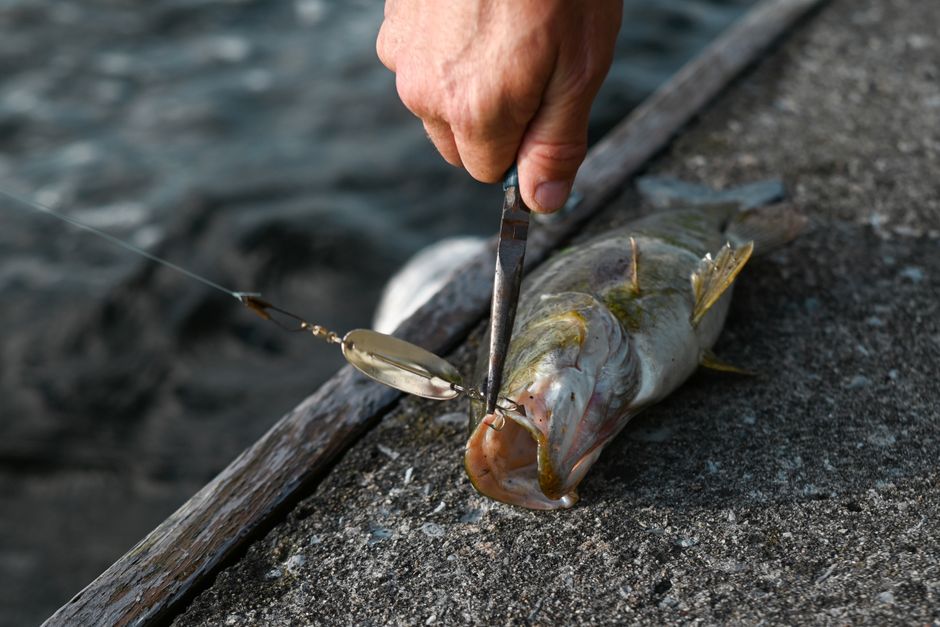
Lure selection in fall often leans toward larger profiles and brighter colors, imitating the bigger baitfish that walleye are targeting. Crankbaits, spoons, and larger jigs with plastic trailers can all be effective. Trolling is a popular method in fall because it allows anglers to cover water and target suspended fish. When walleye are actively feeding, a faster presentation may trigger strikes, while a more finesse approach may be needed during periods of high pressure or cold fronts. Blade baits and jigging spoons are also common choices for vertical presentations over structure.
Depth selection in fall is often guided by baitfish location. As shad, perch, or ciscoes move shallower, walleye follow. Anglers may find fish along the first drop-off adjacent to a flat, or over main-lake points that attract schools of bait. In rivers, fall walleye may congregate in deeper pools and tailraces, especially where current brings forage. Unlike spring, when fish may be spread out, fall walleye can form large schools, making electronics and trolling patterns particularly useful for locating concentrations.
Weather and water clarity also play a role in fall. Stable weather with moderate winds can improve fishing, while sudden temperature drops may slow activity temporarily. In clear water, walleye may be more sensitive to light and may feed more actively during low-light periods or at night. In stained water, they may feed throughout the day. Adjusting lure color and presentation to match water clarity is a common practice.
Comparing Spring and Fall: Key Differences
While both spring and fall offer excellent walleye fishing opportunities, the underlying dynamics differ. In spring, walleye are recovering from spawning and often transition from shallow to deeper water as temperatures rise. In fall, they are moving from deeper summer habitat to shallower feeding areas as temperatures fall. This means that the direction of movement is essentially reversed, which can affect where anglers should focus their efforts. Spring often requires a more finesse-oriented approach, while fall can reward aggressive presentations and trolling.
Another difference is the role of light and photoperiod. In spring, lengthening days and increasing light intensity can push walleye deeper during bright conditions, while in fall, shorter days and lower light angles may extend feeding windows. Water temperature ranges also differ: spring fishing often starts in the 40s and progresses into the 50s, while fall fishing typically starts in the 60s and drops into the 40s. These temperature ranges influence metabolism and feeding behavior, but other factors such as forage availability and habitat structure are equally important.
Anglers should also consider fishing pressure. Spring walleye may be targeted heavily in some areas, especially near spawning grounds, while fall fishing may see less pressure in certain locations. This can affect how wary fish behave and how they respond to lures. Adapting to local conditions and using a variety of presentations can help address these variables.
Practical Considerations and Adaptability
Successful walleye fishing in any season depends on the ability to adapt to changing conditions. While general patterns exist, no two days are identical, and fish behavior can shift from hour to hour. Using electronics to monitor depth, temperature, and baitfish schools can provide valuable information. Keeping a fishing log of water temperature, depth, lure choice, and success can help anglers identify local trends over time.
It is also important to follow local regulations, including seasons, limits, and gear restrictions. Walleye populations are managed by state and provincial agencies, and anglers play a role in conservation by practicing ethical fishing and handling techniques. Catch-and-release, especially for larger fish, can help sustain quality fisheries for future generations.
Ultimately, spring and fall walleye tactics are not about rigid rules but about understanding the relationship between water temperature, fish behavior, and available forage. By combining general principles with on-water observation, anglers can make more informed decisions and enjoy the unique challenges each season presents. Whether fishing a northern lake, a large reservoir, or a flowing river, the key is to stay flexible and observant.