Choosing the Right Fishing Rod for Beginners
Selecting a first fishing rod can feel overwhelming given the variety of options available. Understanding basic rod characteristics and how they align with different fishing situations helps narrow the choices. This article provides an overview of common rod types, key specifications, and practical considerations for beginners in the United States.
Fishing rods are tools designed for specific techniques and environments. A rod that works well for one scenario may not be suitable for another. By learning about rod components, actions, powers, and materials, a novice can make a more informed decision. The goal is to find a rod that matches intended fishing conditions and personal comfort.
This guide focuses on informational content rather than prescriptive advice. Individual preferences and local regulations vary, so anglers should consider their own needs and seek additional resources as needed.
Understanding Rod Basics
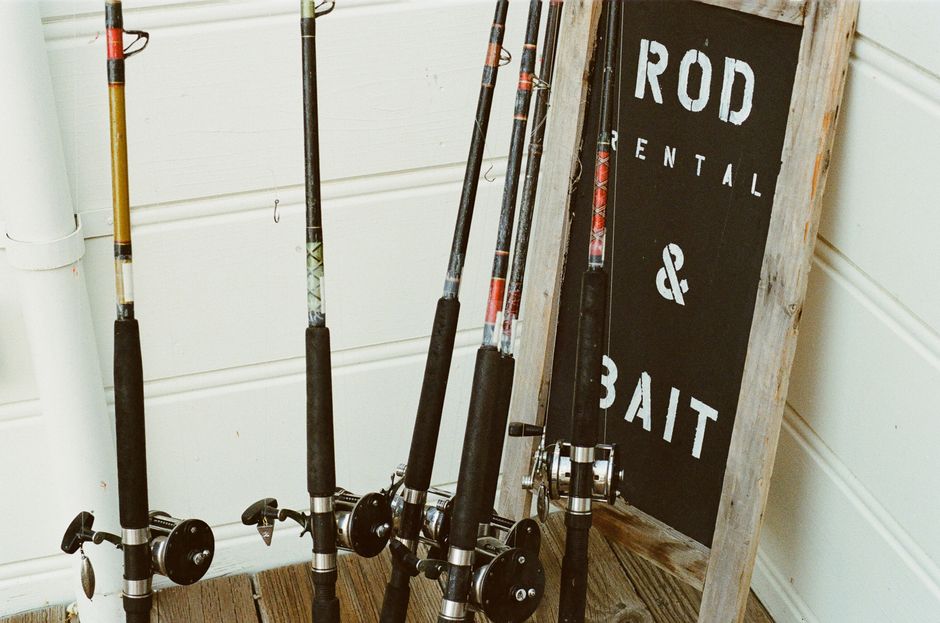
A fishing rod consists of several components: the blank (the shaft), guides, handle, reel seat, and butt. The blank is the primary structure, and its material and design influence performance. Guides are rings that direct the fishing line along the rod. The handle provides grip, and the reel seat secures the reel. The butt is the rear end of the handle. Each part contributes to the rod’s overall feel and function.
Rod length affects casting distance and leverage. Longer rods generally cast farther and manage fish better, but they can be less accurate in tight spaces. Shorter rods offer more control in close quarters. For beginners, a moderate length like 6 to 7 feet often balances versatility and manageability. However, the ideal length depends on fishing location and target species.
Action and power are two critical specifications. Action refers to where the rod bends when under load. Fast action rods bend near the tip, moderate action bends in the upper half, and slow action bends along the entire length. Power indicates the rod’s lifting strength and line weight range. Common power ratings include ultralight, light, medium, medium-heavy, and heavy. Matching action and power to fishing techniques enhances effectiveness.
Materials such as fiberglass, graphite, and composites offer different trade-offs. Fiberglass is durable and affordable but heavier and less sensitive. Graphite is lighter, more sensitive, and often more expensive. Composites blend materials for balanced performance. Beginners might prioritize durability and cost, but personal preference and fishing style play significant roles.
Common Rod Types for Beginners
Spinning rods are popular among beginners due to their ease of use. They pair with spinning reels, which hang below the rod. Spinning rods typically have larger guides and a straight handle. They excel for casting lightweight lures and bait. A medium-power, fast-action spinning rod in 6 to 7 feet is a common starting point for many freshwater species.
Casting rods, designed for baitcasting or conventional reels, require more skill to master. The reel sits on top of the rod, and the line is controlled by the thumb during the cast. Backlashes can occur without proper technique. While casting rods offer accuracy and power for heavy lures, they may frustrate novices. Some anglers start with spinning gear and later transition to casting rods.
Telescopic rods are compact and portable, making them convenient for travel or occasional use. They collapse into a small package but may sacrifice sensitivity and durability compared to one-piece or two-piece rods. They can be suitable for casual fishing but may not perform as well for serious angling.
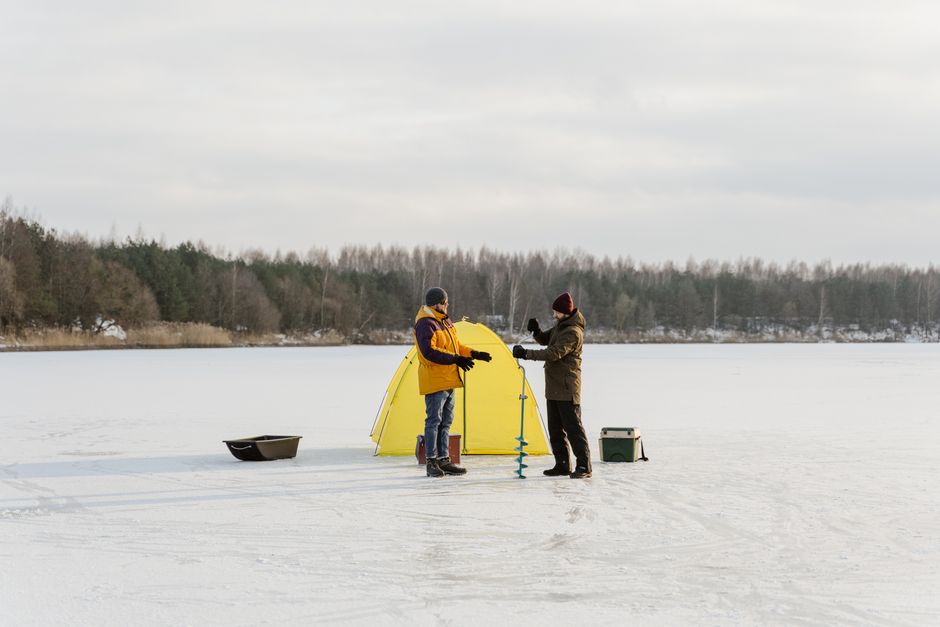
Specialty rods exist for ice fishing, fly fishing, and surf fishing. Ice rods are short and sensitive for vertical jigging through ice. Fly rods are long and flexible for casting weighted lines. Surf rods are lengthy for reaching distant surf. Beginners typically start with general-purpose spinning or casting rods before exploring specialties.
Key Specifications to Consider
When evaluating a rod, consider the line weight and lure weight ratings. These indicate the range of line and lure weights the rod handles effectively. Using line or lures outside these ranges can impair performance or damage the rod. The rod’s power often correlates with these ratings. For example, a medium-power rod might handle 6-12 pound line and 1/4-5/8 ounce lures.
Handle material and design affect comfort and grip. Cork handles are traditional, offering a warm feel and good grip when wet. EVA foam handles are durable, easy to clean, and provide a secure hold. Handle length varies; longer handles offer leverage for two-handed casting, while shorter handles suit one-handed techniques. Beginners should choose a handle that feels comfortable during extended use.
Guide quality influences casting distance and line wear. Better guides, such as those with ceramic inserts, reduce friction and heat, extending line life. The number and placement of guides also affect rod performance. More guides can distribute stress more evenly, but they add weight. A balanced guide system is preferable.
Reel seat types include spinning and casting designs. The reel seat must match the reel type and securely hold it. Some rods feature exposed blank reel seats for increased sensitivity. Beginners should ensure the reel seat is compatible with their chosen reel and provides a solid lock.
Matching Rod to Fishing Situation
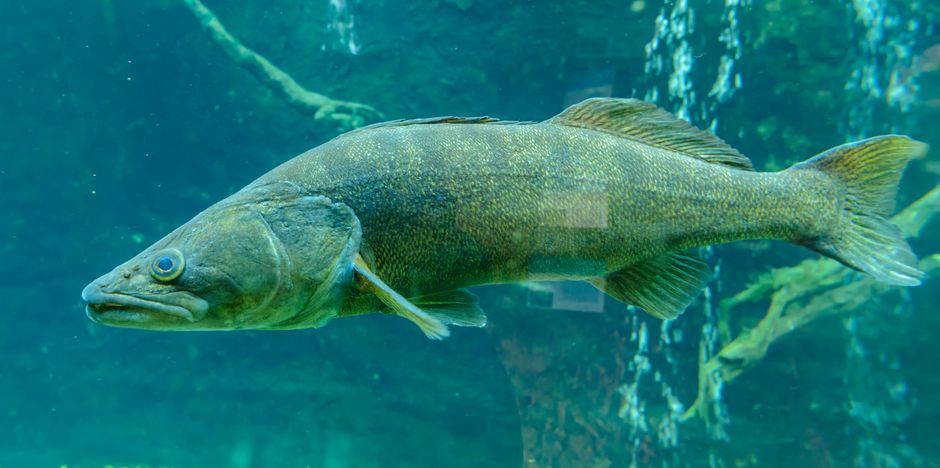
The best rod depends on where and how you fish. For small ponds and streams targeting panfish or trout, a light or ultralight spinning rod with fast action can be effective. These rods cast small lures and provide sensitivity for detecting light bites. For larger lakes and rivers with bass or walleye, a medium or medium-heavy spinning or casting rod may be more appropriate.
Saltwater fishing often requires heavier rods to handle larger fish and corrosive environments. Rods with stainless steel guides and corrosion-resistant components are beneficial. Surf fishing demands long rods for distance, while inshore fishing may use medium-heavy spinning gear. Beginners in saltwater should consider rods designed for the specific conditions they will encounter.
Consider the species you intend to target. Panfish, trout, bass, catfish, and pike each have different size and fight characteristics. A rod that matches the typical size of the target species improves landing success. Local fishing reports and tackle shop staff can offer insights into what works in your area. Regulations may also dictate gear restrictions, so checking local rules is advisable.
Fishing from a boat versus shore can influence rod choice. Boat anglers may prefer shorter rods for maneuverability, while shore anglers might need longer rods for casting distance. Storage space and transportation also matter. Two-piece rods are easier to transport and store, though they may have a slight performance trade-off compared to one-piece rods.
Practical Tips for First-Time Buyers
Set a budget before shopping. Fishing rods range from inexpensive to high-end. Beginners do not need to spend a lot to get started. A modest investment in a quality entry-level rod can provide a good learning experience. As skills grow, anglers can upgrade or add specialized rods.
Visit a local tackle shop to handle rods in person. Feel the weight, balance, and grip. Ask questions about rods suitable for your intended fishing. Many shops offer combos that include a rod and reel, which can be cost-effective and convenient. Online reviews and forums can also provide valuable perspectives, but personal inspection is beneficial.
Practice casting before heading to the water. A few sessions in a backyard or park can help you get accustomed to the rod’s action and the reel’s operation. Learning to tie basic knots and rig lures is also important. Consider joining a local fishing club or taking a class to accelerate learning.
Remember that rod choice is personal and can evolve with experience. What works for one angler may not suit another. Start with a versatile setup and adapt as you discover your preferences. Fishing should be enjoyable, and the right rod can enhance that experience. Always follow local fishing regulations and practice ethical angling.